Exterior motion detection systems play a crucial role in safeguarding our homes, providing an added layer of security and peace of mind. When it comes to home insurance, these systems can make a significant impact on premiums and coverage. Let's dive into the world of exterior motion detection systems and how they intersect with home insurance policies.
As we explore the intricacies of these systems, we will uncover the various benefits, installation processes, and integration possibilities with smart home technology.
Overview of Exterior Motion Detection Systems
Exterior motion detection systems are an essential component of home security, designed to detect any movement outside your property and alert you to potential threats. These systems work by using sensors that detect changes in infrared radiation, sound waves, or microwaves, triggering an alarm or notification when motion is detected.
Types of Exterior Motion Detection Systems
- Passive Infrared (PIR) Sensors: These sensors detect heat signatures emitted by living beings and are commonly used in outdoor motion detectors.
- Microwave Sensors: These sensors emit microwaves and measure the reflection off moving objects to detect motion.
- Ultrasonic Sensors: These sensors emit high-frequency sound waves and detect changes in the reflected waves to identify motion.
Benefits of Using Exterior Motion Detection Systems
- Enhanced Security: Exterior motion detection systems provide an additional layer of security by alerting homeowners to potential intruders or suspicious activity.
- Peace of Mind: Knowing that your home is equipped with motion detection systems can give you peace of mind, especially when you are away from home.
- Cost-Effective: Investing in exterior motion detection systems can be a cost-effective way to protect your home compared to other security measures.
Wired vs. Wireless Exterior Motion Detection Systems
- Wired Systems: These systems require professional installation and are typically more reliable since they are not susceptible to wireless interference.
- Wireless Systems: Wireless systems are easier to install and can be more flexible in terms of placement since they do not require wiring. However, they may be more vulnerable to hacking or signal interference.
Importance of Exterior Motion Detection Systems for Home Insurance
Exterior motion detection systems play a crucial role in enhancing home security, which can directly impact home insurance premiums. Insurance companies often offer discounts to homeowners who have installed these systems as they are considered a proactive measure in preventing potential risks.
Impact on Home Insurance Premiums
- Insurance companies view exterior motion detection systems as a risk mitigation tool, leading to lower premiums for homeowners.
- By investing in these systems, homeowners demonstrate a commitment to safeguarding their property, which can result in reduced insurance costs over time.
Benefits for Homeowners
- Having an exterior motion detection system can provide homeowners with added peace of mind, knowing that their property is being monitored for any suspicious activity.
- In the event of a break-in or vandalism, footage captured by these systems can serve as valuable evidence for insurance claims, facilitating a smoother claims process.
Deterrent to Potential Burglaries
- Exterior motion detection systems act as a deterrent to potential burglaries by detecting any unauthorized movement around the property.
- The presence of visible security measures like motion sensors can dissuade intruders and reduce the likelihood of a break-in, ultimately minimizing the risk of property damage.
Installation and Maintenance of Exterior Motion Detection Systems
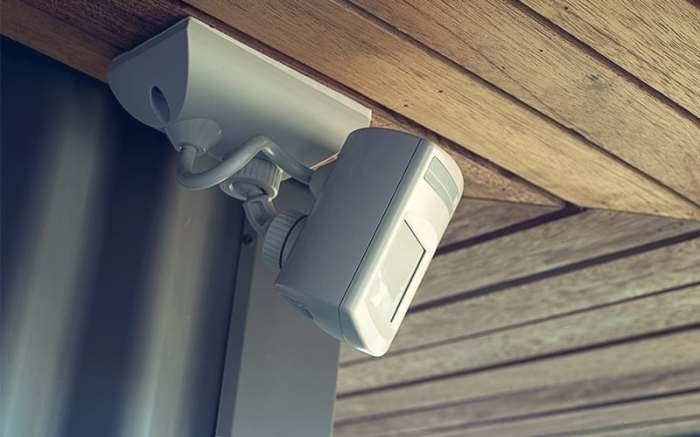
Installing and maintaining exterior motion detection systems is crucial for ensuring the security of your home. Proper installation and regular maintenance are key to maximizing the effectiveness of these systems.
Installation Steps
- Choose the right location: Select areas around your home where the sensors will have a clear line of sight and cover all entry points.
- Mount the sensors: Follow the manufacturer's instructions to securely mount the sensors at the recommended height for optimal coverage.
- Connect the system: Carefully connect all components of the system according to the provided guidelines to ensure proper functionality.
- Test the system: After installation, test the system to ensure all sensors are detecting motion accurately.
Positioning Sensors for Maximum Coverage
- Place sensors at corners: By positioning sensors at corners, you can maximize coverage and reduce blind spots.
- Avoid obstructions: Ensure sensors are not obstructed by objects like trees, bushes, or decorations that could interfere with motion detection.
- Adjust sensitivity: Fine-tune sensor sensitivity settings to prevent false alarms while still detecting any suspicious activity.
Maintenance and Troubleshooting Tips
- Regularly clean sensors: Dust, dirt, and debris can affect sensor accuracy, so clean them periodically with a soft cloth.
- Check for battery life: If your system uses batteries, monitor their life and replace them as needed to prevent system failure.
- Inspect for damage: Routinely inspect sensors for any physical damage or signs of wear and tear that may impact performance.
- Update software: Keep your system's software up to date to ensure it is equipped with the latest features and security patches.
Integration with Smart Home Technology
Exterior motion detection systems can be seamlessly integrated with smart home technology to enhance the security and convenience of your home. By connecting these systems to smart home hubs or devices, homeowners can enjoy a range of benefits that go beyond traditional security measures.
Advantages of Integration
- Increased automation: By integrating exterior motion detection systems with smart home technology, homeowners can set up automated responses to triggers. For example, lights can be programmed to turn on when motion is detected, or security cameras can start recording automatically.
- Remote monitoring: Smart home hubs allow users to monitor their exterior motion detection systems remotely through mobile apps or online platforms. This provides peace of mind and the ability to check on the security of their property from anywhere.
- Enhanced security alerts: Smart home technology can send notifications to homeowners' smartphones or other devices when motion is detected outside their property. This real-time alert system ensures that homeowners are immediately aware of any suspicious activity.
- Integration with other smart devices: Exterior motion detection systems can be integrated with other smart devices in the home, such as door locks or garage door openers. This interconnected network adds an extra layer of security and convenience for homeowners.
Summary
In conclusion, exterior motion detection systems not only enhance home security but also have a tangible effect on home insurance considerations. By investing in these systems, homeowners can proactively protect their properties and potentially lower insurance costs. Stay informed, stay secure.
Helpful Answers
How do exterior motion detection systems work?
Exterior motion detection systems use sensors to detect movement outside the home, triggering alerts or alarms.
Can exterior motion detection systems reduce home insurance premiums?
Yes, having these systems in place can lead to lower insurance premiums due to enhanced security measures.
What are the main differences between wired and wireless exterior motion detection systems?
Wired systems require physical connections for operation, while wireless systems offer more flexibility and easier installation.
How should sensors be positioned for maximum coverage?
Sensors should be placed at entry points and strategic locations around the perimeter of the house for optimal coverage.
What are the advantages of integrating exterior motion detection systems with smart home technology?
Integration allows for remote monitoring, automation, and enhanced connectivity with other smart devices in the home.