As global siding and roofing take the spotlight, readers are invited into a world steeped in rich knowledge, promising an immersive and uniquely original reading experience.
The following paragraphs delve into the historical roots, key market players, current trends, and future prospects of the global siding and roofing industry.
Overview of Global Siding and Roofing Industry
The global siding and roofing industry has a rich history dating back centuries, evolving alongside advancements in construction materials and techniques. From traditional thatched roofs to modern metal sidings, the industry has seen significant transformations over time.Key players in the market include leading manufacturers such as CertainTeed, Owens Corning, and GAF Materials Corporation, among others.
These companies have made substantial contributions to the industry by developing innovative products, improving installation processes, and setting quality standards.Currently, the market is experiencing trends towards sustainable and energy-efficient solutions. Green roofing technologies, such as solar panels and living roofs, are gaining popularity due to their environmental benefits and cost savings.
Additionally, the use of durable and low-maintenance siding materials like fiber cement and vinyl is on the rise.Looking ahead, the global siding and roofing industry is projected to witness steady growth driven by increasing construction activities, urbanization, and infrastructure development.
Demand for high-performance and aesthetically pleasing roofing and siding solutions is expected to drive innovation and shape the future of the industry.
Types of Siding Materials
When it comes to siding materials, there are several options available globally, each with its own set of benefits and drawbacks.
Vinyl Siding
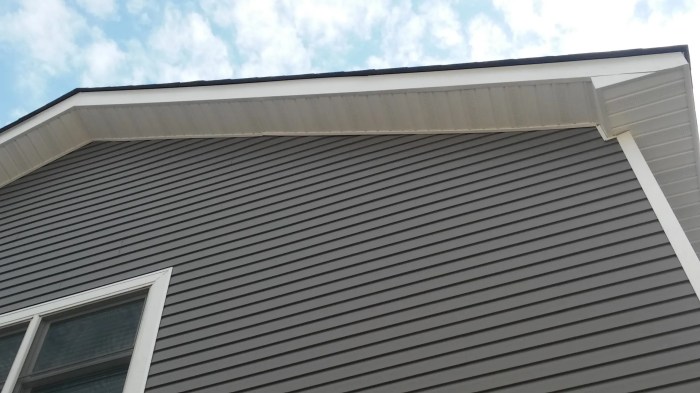
- Vinyl siding is a popular choice due to its affordability and low maintenance requirements.
- It is available in a wide range of colors and styles, making it versatile for different architectural designs.
- However, vinyl siding may crack or fade over time, and it is not as durable as some other materials.
Fiber Cement Siding
- Fiber cement siding is known for its durability and resistance to fire, insects, and rot.
- It can mimic the look of wood, stucco, or masonry, providing a high-end aesthetic appeal.
- While fiber cement siding is more expensive upfront, it can add value to a home and require minimal maintenance.
Wood Siding
- Wood siding offers a natural and timeless look that many homeowners appreciate.
- It can be painted or stained in various colors to match the desired aesthetic.
- However, wood siding requires regular maintenance, such as painting, sealing, and insect protection, to prevent rot and decay.
Aluminum Siding
- Aluminum siding is lightweight, durable, and resistant to corrosion, making it a popular choice in coastal areas.
- It is available in a variety of colors and styles, including textured finishes that mimic wood.
- Although aluminum siding is low maintenance, it can dent easily and may not provide as much insulation as other materials.
Brick Siding
- Brick siding is known for its durability, longevity, and classic appearance.
- It offers excellent thermal mass properties, helping to regulate indoor temperatures and reduce energy costs.
- While brick siding is more expensive to install, it can last for generations with minimal maintenance.
Roofing Systems Around the World
When it comes to roofing systems, different regions around the world have their own unique styles and materials that are influenced by factors such as climate, culture, and architectural trends. Let's explore some popular roofing systems used globally and discuss their advantages, disadvantages, and architectural influences.
Thatched Roofing
Thatched roofing, made from dried vegetation such as straw, reeds, or palm leaves, is commonly found in regions with a long history of traditional building methods. While thatched roofs provide excellent insulation and a natural aesthetic, they require regular maintenance and are susceptible to fire hazards.
Tile Roofing
Tile roofing, popular in Mediterranean and Spanish-style architecture, is known for its durability and aesthetic appeal. However, tile roofs can be heavy and may require additional structural support. They are also prone to cracking and can be expensive to repair.
Metal Roofing
Metal roofing is widely used in modern construction due to its longevity, low maintenance, and energy efficiency. It is lightweight and can be recycled, making it an environmentally friendly option. However, metal roofs can be noisy during rainstorms and may dent or corrode over time.
Slate Roofing
Slate roofing, commonly seen in historic and upscale homes, offers a natural elegance and superior durability. While slate roofs can last for decades with minimal maintenance, they are expensive to install and repair. The weight of slate tiles also requires a reinforced roof structure.
Green Roofing
Green roofing, also known as living roofs, involves planting vegetation on the roof surface to provide insulation, reduce stormwater runoff, and improve air quality. Green roofs can help mitigate the urban heat island effect and provide additional green space in densely populated areas.
However, they require specialized installation and maintenance to ensure plant health and structural integrity.
Emerging Technologies in Siding and Roofing
Innovative technologies are continuously reshaping the siding and roofing industry, offering new solutions for homeowners and businesses alike. These advancements not only enhance the functionality of buildings but also contribute to sustainability efforts in the construction sector.
Solar Roofing
Solar roofing has gained significant traction in recent years, allowing buildings to generate clean energy while maintaining a sleek and modern aesthetic. By integrating photovoltaic cells directly into roofing materials, this technology enables properties to harness solar power and reduce reliance on traditional energy sources.
The sustainability benefits of solar roofing are substantial, as it helps decrease carbon emissions and lower electricity bills over time.
Smart Siding
Smart siding is another groundbreaking technology that is revolutionizing the way buildings interact with their environment. By incorporating sensors and intelligent systems, smart siding can adapt to changing weather conditions, regulate indoor temperatures, and even communicate maintenance needs to homeowners.
This innovative solution not only enhances the efficiency of buildings but also improves overall comfort and convenience for occupants.
Global Regulations and Standards
In the global siding and roofing industry, regulatory standards play a crucial role in ensuring the safety, quality, and sustainability of construction projects. These standards are put in place to regulate the materials used, installation practices, and overall performance of siding and roofing systems.
Impact of Regulations on Material Choice and Installation Practices
- Regulations dictate the types of materials that can be used in siding and roofing projects, ensuring that they meet specific safety and quality standards.
- Installation practices are also heavily influenced by regulations, with guidelines on proper techniques, safety measures, and environmental considerations.
- Regulations help to prevent substandard materials and practices, ultimately protecting consumers and the environment.
Compliance with International Standards
- Companies operating in the global market must adhere to a variety of international standards to ensure consistency and quality across borders.
- Compliance with these standards often requires rigorous testing, certification, and documentation to demonstrate adherence to regulations.
- Companies invest in training, quality control measures, and audits to maintain compliance with international standards and regulations.
Epilogue
In conclusion, the intricacies of global siding and roofing have been illuminated, offering a comprehensive understanding of this dynamic industry.
Popular Questions
What are the most common types of siding materials used globally?
The most common siding materials include vinyl, wood, fiber cement, and metal.
How do global regulations impact the choice of siding and roofing materials?
Regulations often dictate the use of environmentally friendly materials and impact installation practices to ensure safety standards are met.
What are some innovative technologies transforming the siding and roofing industry?
Innovations like solar roofing and smart siding are revolutionizing the industry by enhancing sustainability and energy efficiency.