Energy efficient HVAC systems for eco-friendly interiors pave the way for a sustainable living environment that prioritizes both comfort and conservation. As we delve into the world of energy-efficient HVAC systems, we uncover a realm where innovation meets environmental responsibility, shaping the future of interior design and functionality.
This narrative unfolds with a focus on the importance, features, design aspects, and maintenance of these systems, offering a comprehensive guide for those seeking to embrace a greener lifestyle.
Importance of Energy-Efficient HVAC Systems
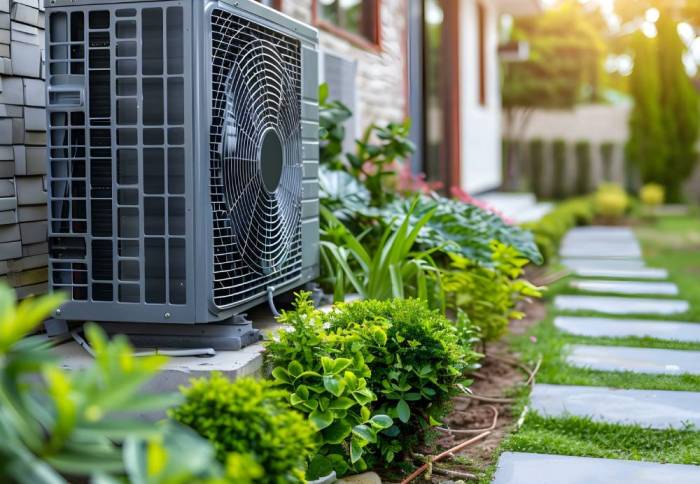
Energy-efficient HVAC systems play a crucial role in creating eco-friendly interiors by reducing energy consumption and promoting sustainability. These systems offer a wide range of benefits that contribute to a healthier indoor environment and lower utility bills.
Benefits of Energy-Efficient HVAC Systems
- Reduce Energy Consumption: Energy-efficient HVAC systems are designed to operate more efficiently, resulting in lower energy usage compared to traditional systems.
- Lower Utility Bills: By consuming less energy, these systems help homeowners and businesses save money on their utility bills over time.
- Environmental Impact: Traditional HVAC systems often rely on fossil fuels and emit harmful greenhouse gases, contributing to environmental degradation. In contrast, energy-efficient systems reduce carbon footprint and help mitigate climate change.
- Healthier Indoor Environment: Energy-efficient HVAC systems improve indoor air quality by properly regulating humidity levels, reducing allergens, and promoting better ventilation. This leads to a healthier and more comfortable living or working space.
Features of Energy-Efficient HVAC Systems
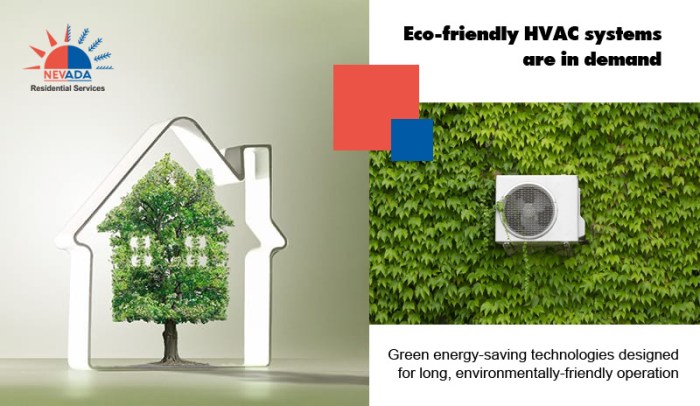
Energy-efficient HVAC systems incorporate various components and technologies that work together to reduce energy consumption and promote sustainability in indoor environments.
Key Components of Energy-Efficient HVAC Systems
- High-efficiency HVAC units: Energy-efficient systems are designed to operate using less energy while still providing optimal heating and cooling performance.
- Advanced filtration systems: These systems help improve indoor air quality by capturing and removing airborne particles, dust, and allergens.
- Zoned heating and cooling: Zoning allows for customized temperature control in different areas of a building, reducing energy waste in unoccupied spaces.
Role of Smart Thermostats
Smart thermostats play a crucial role in optimizing energy usage by learning occupants' preferences and adjusting temperature settings accordingly. They can be programmed to operate efficiently based on occupancy schedules, ultimately reducing energy waste.
Importance of Proper Insulation
Proper insulation is essential for energy-efficient HVAC systems as it helps maintain consistent indoor temperatures and prevents heat loss or gain. Well-insulated buildings require less energy to heat or cool, resulting in lower energy bills and reduced environmental impact.
Variable Speed Technology
Variable speed technology in HVAC systems allows the equipment to adjust its operation speed based on the heating or cooling demands. This results in more precise temperature control, reduced energy consumption, and improved overall efficiency of the system.
Designing Eco-Friendly Interiors with Energy-Efficient HVAC Systems
When it comes to creating eco-friendly interiors, integrating energy-efficient HVAC systems is crucial for reducing environmental impact and energy consumption. By seamlessly incorporating these systems into your design, you can achieve a sustainable and comfortable indoor environment.
Impact of HVAC System Placement on Energy Efficiency
The placement of HVAC systems within a building can significantly impact their energy efficiency. Proper placement can ensure optimal airflow, reduce energy wastage, and improve overall system performance. For example, placing HVAC units in shaded areas can help them operate more efficiently by preventing overheating and reducing the workload on the system.
Sustainable Materials to Complement Energy-Efficient HVAC Systems
When designing eco-friendly interiors with energy-efficient HVAC systems, it's essential to use sustainable materials that complement these systems. Materials such as bamboo flooring, recycled glass countertops, and low-VOC paints can enhance indoor air quality and work in harmony with energy-efficient HVAC systems to create a healthier living space.
Zoning Capabilities Enhancing Energy Efficiency
The zoning capabilities of energy-efficient HVAC systems allow for precise control over heating and cooling in different areas of a building. By dividing the space into zones and adjusting temperatures accordingly, these systems can optimize energy usage and minimize waste.
For instance, heating or cooling only occupied zones can lead to significant energy savings and increased comfort for occupants.
Maintenance and Optimization of Energy-Efficient HVAC Systems
Regular maintenance is crucial for ensuring optimal performance of energy-efficient HVAC systems. By following a consistent maintenance schedule, occupants can help extend the lifespan of the system and maintain its energy efficiency levels over time.
Importance of Professional Servicing
Professional servicing plays a key role in maintaining the energy efficiency of HVAC systems. Technicians have the expertise to identify and address any issues that may be affecting the system's performance. Regular professional maintenance can help prevent breakdowns, improve energy efficiency, and ensure that the system operates at peak performance levels.
Tips for Occupants to Optimize Energy-Efficient HVAC Systems
- Keep air filters clean and replace them regularly to ensure proper airflow and efficiency.
- Seal any leaks in ductwork to prevent energy loss and improve the overall efficiency of the system.
- Program the thermostat to adjust temperatures based on occupancy patterns to avoid unnecessary energy consumption.
- Keep vents clear of obstructions to allow for proper air circulation and distribution throughout the space.
Remote Monitoring Technology for Maximizing Energy Efficiency
Remote monitoring technology allows occupants to track and control their HVAC systems from anywhere, ensuring that the system operates efficiently even when they are not on-site. By monitoring energy usage and performance data remotely, occupants can make informed decisions to optimize the system's efficiency and reduce energy consumption.
Closing Notes
In conclusion, energy-efficient HVAC systems for eco-friendly interiors stand as pillars of modern sustainability, balancing efficiency and environmental consciousness. By integrating these systems seamlessly into interior designs and prioritizing maintenance, we can create spaces that not only reduce energy consumption but also promote a healthier, greener world for generations to come.
FAQ Compilation
How do energy-efficient HVAC systems benefit eco-friendly interiors?
Energy-efficient HVAC systems help reduce energy consumption, lower utility bills, and contribute to a healthier indoor environment by optimizing heating and cooling processes.
What role do smart thermostats play in energy-efficient HVAC systems?
Smart thermostats optimize energy usage by adjusting temperature settings based on occupancy and preferences, enhancing overall efficiency.
How can occupants help optimize energy-efficient HVAC systems?
Occupants can optimize energy-efficient HVAC systems by setting temperature preferences wisely, ensuring proper insulation, and practicing regular maintenance to uphold performance.
What sustainable materials can complement energy-efficient HVAC systems?
Sustainable materials like bamboo flooring, recycled glass countertops, and low-VOC paints can complement energy-efficient HVAC systems, enhancing the overall eco-friendliness of interiors.
How does zoning capabilities of HVAC systems enhance energy efficiency in buildings?
Zoning capabilities allow for precise temperature control in different areas of a building, reducing energy waste by only heating or cooling occupied spaces, thus enhancing overall energy efficiency.