Diving into the realm of home waterproofing solutions, this introduction aims to provide a comprehensive overview of the importance, types, and considerations involved in keeping your home safe and dry. From preventing costly damages to enhancing the longevity of your property, waterproofing is a crucial aspect of home maintenance that deserves attention.
In the following paragraphs, we will delve into the various types of waterproofing solutions available, compare DIY options with professional services, and highlight key factors to consider when embarking on a waterproofing project.
Importance of Home Waterproofing Solutions
Home waterproofing solutions are essential for protecting your home from water damage and ensuring the longevity of your property. Without proper waterproofing, homes are at risk of various issues that can be costly and detrimental to the overall structure.
Consequences of Not Having Proper Waterproofing
- Water seepage can lead to mold and mildew growth, causing health hazards for residents.
- Foundation cracks and damage can occur, compromising the stability of the home.
- Wood rot and decay can occur in areas exposed to moisture, leading to structural damage.
How Waterproofing Protects a Home’s Foundation and Structure
Waterproofing helps to create a barrier against water intrusion, preventing the issues mentioned above and preserving the integrity of your home. By keeping moisture out, waterproofing safeguards the foundation and structure from costly repairs and potential dangers.
Types of Home Waterproofing Solutions
When it comes to protecting your home from water damage, there are several types of waterproofing solutions available. Each solution has its own advantages and disadvantages, so it's important to understand the differences between them to choose the best option for your home.
Interior Waterproofing Methods
Interior waterproofing methods involve applying waterproofing materials on the inside of the basement or foundation walls to prevent water infiltration. This method is effective in managing water that has already entered the home, but it does not address the root cause of the problem.
- Pros: Provides a quick solution to existing water issues, cost-effective compared to exterior methods.
- Cons: Does not prevent water from entering the home, may not be a long-term solution.
Exterior Waterproofing Methods
Exterior waterproofing methods involve excavating around the foundation and applying waterproofing materials to the outside of the walls to prevent water from entering the home. This method is more effective in preventing water damage and addressing the root cause of the problem.
- Pros: Prevents water from entering the home, long-term solution, improves overall foundation stability.
- Cons: More expensive and time-consuming compared to interior methods.
Liquid Waterproofing Membranes
Liquid waterproofing membranes are applied as a coating on the exterior surface of the foundation walls to create a watertight barrier. These membranes are flexible and can adapt to the movement of the foundation, providing effective protection against water infiltration.
- Pros: Easy to apply, seamless protection, can be applied to irregular surfaces.
- Cons: May require multiple coats for optimal protection, may degrade over time with exposure to UV rays.
Cementitious Coatings
Cementitious coatings are a type of waterproofing material that is mixed with cement and applied to the exterior surface of the foundation walls. These coatings provide a durable and long-lasting barrier against water penetration.
- Pros: Strong and durable, resistant to UV exposure, can be painted over for a finished look.
- Cons: Application process can be labor-intensive, may crack over time with foundation movement.
Drainage Systems
Drainage systems are installed around the perimeter of the foundation to collect and redirect water away from the home. These systems can include French drains, sump pumps, and exterior waterproofing membranes to effectively manage water infiltration.
- Pros: Efficient water management, prevents water accumulation around the foundation, complements other waterproofing methods.
- Cons: Requires professional installation, ongoing maintenance may be needed.
DIY Waterproofing vs. Professional Services

When it comes to waterproofing your home, you may be wondering whether to tackle the project yourself or hire professional services. Both DIY waterproofing and professional services have their own advantages and disadvantages, depending on the complexity of the job and your level of expertise
Advantages and Disadvantages of DIY Waterproofing Projects
- Advantages:
- Cost-effective, as you can save money on labor costs.
- You have control over the process and can work at your own pace.
- It can be a rewarding project if you enjoy hands-on work.
- Disadvantages:
- May lack the necessary skills and knowledge to do a thorough job.
- Time-consuming, especially if you encounter unexpected issues.
- Could lead to costly mistakes if not done correctly.
When to Hire Professional Waterproofing Services
- If you have a large or complex waterproofing project that requires specialized skills and equipment.
- When dealing with foundation leaks or serious water damage that needs immediate attention.
- If you are short on time or lack the confidence to complete the project on your own.
Tips for Choosing the Right Waterproofing Contractor for a Home
Research and compare multiple contractors before making a decision.
- Check for licenses, insurance, and certifications to ensure they are qualified for the job.
- Read reviews and ask for references from previous clients to gauge their reputation.
- Get detailed written estimates and compare pricing, but don't base your decision solely on cost.
- Communicate your expectations clearly and make sure the contractor understands your needs.
Factors to Consider for Waterproofing
When planning for home waterproofing, there are several key factors to take into consideration to ensure the effectiveness and longevity of the waterproofing solutions. Factors such as climate, soil type, and water table levels play a crucial role in determining the most suitable waterproofing methods for your home.
Additionally, assessing existing water damage before implementing waterproofing measures is essential to address any underlying issues and prevent future damage.
Role of Climate, Soil Type, and Water Table Levels
- Climate: The climate of your region will influence the amount of rainfall and humidity your home is exposed to. Areas with high rainfall or humidity levels may require more intensive waterproofing solutions to protect against water damage.
- Soil Type: The type of soil around your home can affect how water drains and interacts with the foundation. Clay soils, for example, are more prone to retaining water and can put more pressure on the foundation, leading to potential leaks.
- Water Table Levels: Understanding the water table levels in your area is crucial as homes located in areas with high water tables are more susceptible to water intrusion. Waterproofing solutions need to be tailored to prevent water from seeping into the basement or foundation.
Assessing Existing Water Damage
Before implementing waterproofing measures, it is important to assess any existing water damage in your home. This involves inspecting areas for signs of water intrusion, such as dampness, mold growth, or water stains. Identifying the source of water infiltration will help determine the appropriate waterproofing solution to effectively address the problem and prevent further damage.
Epilogue
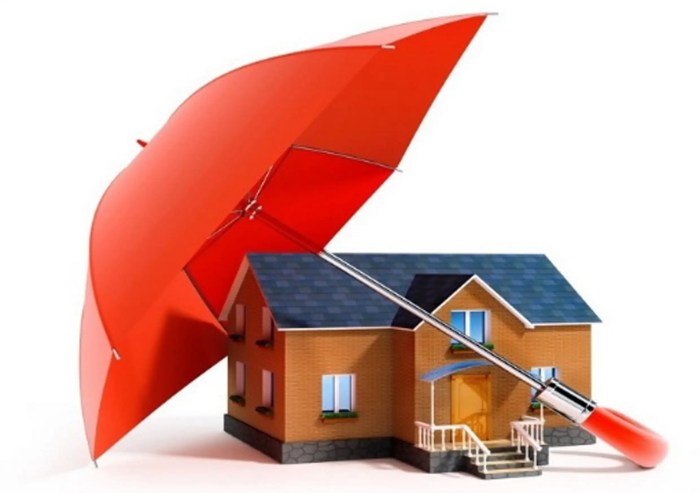
As we wrap up our discussion on home waterproofing solutions, it becomes evident that proactive measures can save homeowners from potential disasters caused by water intrusion. By understanding the importance of proper waterproofing, exploring different methods, and knowing when to seek professional assistance, you can safeguard your home against moisture-related issues effectively.
Answers to Common Questions
What are the consequences of not having proper waterproofing?
Without proper waterproofing, homes are at risk of structural damage, mold growth, and health hazards due to water seepage and moisture accumulation.
How can climate affect the choice of waterproofing solutions?
Climate plays a significant role in determining the effectiveness of waterproofing materials, as different weather conditions can impact the durability and performance of waterproofing solutions.
When is it recommended to hire professional waterproofing services?
It is advisable to seek professional assistance for complex waterproofing projects, extensive water damage, or when homeowners lack the necessary skills and tools for the job.