Delving into the world of composite vs wood decking, this comparison sheds light on the key differences between the two popular materials used for outdoor spaces. Get ready to uncover the pros and cons, durability, maintenance requirements, cost considerations, environmental impact, and design options of composite and wood decking.
Pros and Cons of Composite Decking vs Wood Decking
When deciding between composite decking and wood decking for your outdoor space, it's essential to consider the pros and cons of each option to make an informed choice.
Advantages and Disadvantages of Composite Decking
Composite decking is a popular choice for many homeowners due to its durability and low maintenance requirements. However, it also comes with its own set of drawbacks.
- Advantages of Composite Decking:
- Low maintenance: Composite decking does not require staining, sealing, or painting like wood decking.
- Durability: Composite decking is resistant to rot, warping, splintering, and insect damage.
- Longevity: Composite decking has a longer lifespan compared to wood decking.
- Color options: Composite decking comes in a variety of colors and styles to suit your design preferences.
- Disadvantages of Composite Decking:
- Higher cost: Composite decking is typically more expensive upfront than wood decking.
- Heat retention: Some composite decking materials can become hot in direct sunlight.
- Susceptibility to scratches: Composite decking may show scratches more easily than wood decking.
- Slick when wet: Composite decking can be slippery when wet, posing a safety hazard.
Advantages and Disadvantages of Wood Decking
Wood decking has a classic look and feel that appeals to many homeowners, but it also has its own set of advantages and disadvantages.
- Advantages of Wood Decking:
- Natural look: Wood decking provides a warm, natural aesthetic that many people prefer.
- Cost-effective: Wood decking is generally more affordable upfront than composite decking.
- Easy to work with: Wood decking can be easily cut, shaped, and customized to fit your space.
- Repairability: Damaged wood decking can be repaired or replaced more easily than composite decking.
- Disadvantages of Wood Decking:
- Maintenance: Wood decking requires regular staining, sealing, and painting to maintain its appearance and durability.
- Prone to rot and insect damage: Wood decking is vulnerable to rot, decay, and insect infestations if not properly maintained.
- Shorter lifespan: Wood decking may not last as long as composite decking, especially in harsh weather conditions.
- Color fading: Wood decking can fade and lose its original color over time due to sun exposure and weathering.
Durability
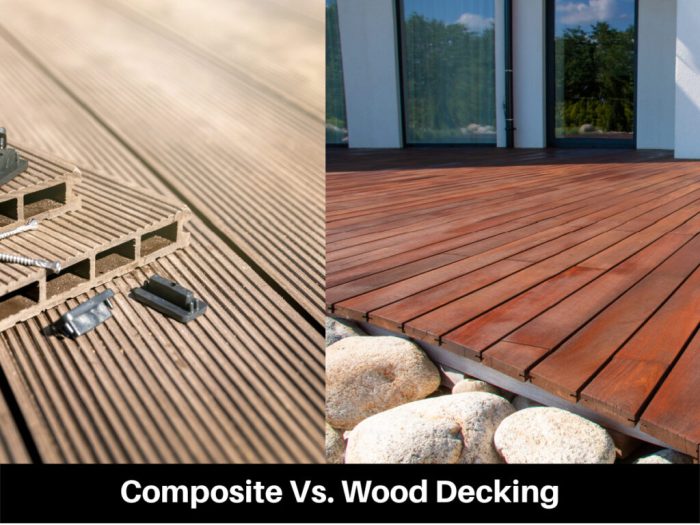
Composite decking is known for its exceptional durability compared to wood decking. While wood decking may require regular maintenance and is susceptible to rot, mold, and insect damage, composite decking is resistant to these issues.
Lifespan
Composite decking typically has a longer lifespan than wood decking. With proper installation and maintenance, composite decking can last for several decades, whereas wood decking may need to be replaced or repaired more frequently.
- Composite decking: Can last 25-30 years or more with minimal maintenance.
- Wood decking: Typically lasts 10-15 years but may require more maintenance and repairs over time.
Weather Resistance
In various weather conditions, composite decking tends to hold up better than wood decking. Composite materials are designed to withstand UV rays, moisture, and temperature fluctuations without warping, fading, or splintering.
- Composite decking: Resistant to rot, mold, and insect damage, making it ideal for humid or rainy climates.
- Wood decking: Prone to rot, mold, and insect infestation if not properly maintained, especially in wet or humid environments.
Maintenance Requirements
When it comes to the maintenance of decking materials, both composite and wood options have their own set of requirements to keep them looking their best for years to come.Composite Decking:Composite decking is known for being low-maintenance compared to wood decking.
Here are the typical maintenance requirements for composite decking:
Cleaning
- Regularly sweep or hose off debris and dirt.
- Use a mild soap and water solution to clean off any stains or spills.
- Avoid using harsh chemicals or pressure washers, as they can damage the surface.
Wood Decking:Wood decking requires more maintenance compared to composite decking. Here are the typical maintenance requirements for wood decking:
Sealing and Staining
- Regularly seal or stain the wood to protect it from moisture, UV rays, and rot.
- Inspect for any signs of rot, decay, or insect damage and treat accordingly.
- Refinish the wood every few years to maintain its appearance and durability.
Cost Considerations
When it comes to choosing between composite decking and wood decking, cost is an important factor to consider. The initial cost of installation, as well as long-term upkeep and repair expenses, can vary significantly between the two materials.Composite decking typically has a higher upfront cost compared to wood decking.
This is due to the manufacturing process and the materials used in composite decking, which are often more expensive than traditional wood. However, composite decking requires less maintenance and upkeep over time, which can result in cost savings in the long run.
Initial Cost of Installation
- Composite decking: The initial cost of installing composite decking can be higher than wood decking, as the materials are typically more expensive. However, composite decking requires less maintenance and upkeep, which can offset the initial cost over time.
- Wood decking: Wood decking is generally more affordable to install initially compared to composite decking. However, wood decking requires more maintenance, such as staining, sealing, and regular repairs, which can add to the overall cost in the long term.
Long-Term Costs of Upkeep and Repairs
- Composite decking: While composite decking may have a higher initial cost, it requires minimal maintenance over time. Composite decking does not need to be stained, sealed, or sanded like wood decking, which can save money on maintenance expenses in the long run.
- Wood decking: Wood decking may be more affordable to install initially, but it requires regular maintenance to keep it in good condition. This can include staining, sealing, and repairing damaged boards, which can add up in terms of long-term costs.
Environmental Impact
When it comes to the environmental impact of decking materials, both composite and wood options have their own set of considerations to take into account.Composite decking materials are often praised for their eco-friendliness due to the fact that they are typically made from recycled materials, such as plastic bags, wood scraps, and sawdust.
This means that the production of composite decking helps to reduce the amount of waste that ends up in landfills. Additionally, composite decking does not require the use of harmful chemicals for maintenance, such as staining or sealing, which can be harmful to the environment.On the other hand, wood decking, while a natural and renewable resource, can have a significant impact on the environment depending on where the wood is sourced from.
If the wood is sourced from sustainably managed forests or reclaimed wood sources, it can be a more environmentally friendly option. However, if the wood comes from clear-cutting forests or unsustainable logging practices, it can contribute to deforestation and habitat destruction.
Eco-Friendliness of Composite Decking
Composite decking materials are often made from recycled materials, reducing waste in landfills.Composite decking does not require harmful chemicals for maintenance, making it a more eco-friendly option.
Sustainability of Wood Decking
Wood decking can be sustainable if sourced from responsibly managed forests or reclaimed wood.However, wood decking sourced from unsustainable logging practices can contribute to deforestation and habitat destruction.
Aesthetics and Design Options
When it comes to aesthetics and design options, both composite decking and wood decking offer unique choices to enhance the overall look of your outdoor space. Let's explore the design possibilities available with each material.
Design Options with Composite Decking
Composite decking comes in a wide range of colors, textures, and finishes, allowing homeowners to achieve the desired look for their outdoor living area. Some manufacturers even offer composite boards that mimic the natural look of wood while providing the benefits of low maintenance and durability.
- Color Selection: Composite decking is available in a variety of colors, from traditional wood tones to modern shades like grey and black.
- Texture and Finish: Manufacturers offer composite boards with different textures, such as embossed wood grain or smooth surfaces, catering to various design preferences.
- Customization: Some composite decking products can be customized to create unique patterns or inlay designs, adding a personalized touch to the outdoor space.
Aesthetic Appeal and Customization Options of Wood Decking
Wood decking has a timeless appeal and natural beauty that many homeowners find attractive. The warm tones and organic textures of wood create a cozy and inviting atmosphere in outdoor settings. Additionally, wood decking provides a high level of customization options for those who prefer a traditional look.
- Natural Beauty: Wood decking showcases the unique grains and patterns of different wood species, adding character and charm to the outdoor space.
- Stain and Seal Options: Homeowners can choose from a variety of stains and sealants to enhance the color and protect the wood from the elements, allowing for customization based on personal preferences.
- Design Flexibility: Wood decking can be easily cut, shaped, and installed in various patterns and configurations, offering endless design possibilities for creative outdoor spaces.
Ultimate Conclusion
In conclusion, the debate between composite and wood decking offers a plethora of factors to consider when choosing the ideal material for your outdoor oasis. Whether you prioritize longevity, eco-friendliness, or aesthetic appeal, understanding the nuances of each option is crucial in making an informed decision.
FAQ Compilation
Is composite decking more expensive than wood decking?
Composite decking typically has a higher upfront cost but requires less maintenance over time, potentially making it more cost-effective in the long run.
Which decking material is more eco-friendly?
Composite decking is often considered more eco-friendly as it is made from recycled materials and does not contribute to deforestation like wood decking.
How do I maintain composite decking?
Composite decking requires minimal maintenance, usually limited to occasional cleaning with soap and water to keep it looking its best.