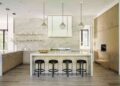
Exploring the differences between custom built homes and modular homes, this article delves into the unique aspects of each type of construction. From design flexibility to construction timelines, we'll uncover the key factors that differentiate these two popular options in the housing market.
Custom Built Homes
Custom-built homes offer a unique opportunity for individuals to create a personalized living space that suits their specific needs and preferences. The process of designing a custom-built home involves collaborating with architects and builders to create a one-of-a-kind residence from the ground up.
Advantages of Choosing a Custom-Built Home
- Customization: With a custom-built home, homeowners have the freedom to choose every aspect of the design, from layout and room sizes to materials and finishes.
- Quality: Custom-built homes are typically constructed with higher-quality materials and craftsmanship, ensuring a durable and long-lasting living space.
- Uniqueness: Custom-built homes stand out from the cookie-cutter designs of modular homes, allowing homeowners to express their individual style and preferences.
Unique Features in Custom-Built Homes
- Smart Home Technology: Custom-built homes can incorporate the latest in smart home technology, such as automated lighting, security systems, and climate control.
- Customized Amenities: Homeowners can add unique amenities like home theaters, wine cellars, or indoor swimming pools to their custom-built homes.
- Energy Efficiency: Custom-built homes can be designed with energy-efficient features like solar panels, geothermal heating, and energy-saving appliances.
Flexibility in Design and Customization Options
Custom-built homes offer endless possibilities for design and customization, allowing homeowners to tailor every aspect of their living space to suit their lifestyle and preferences. From open floor plans to custom cabinetry and architectural details, the flexibility in design ensures that every custom-built home is truly one-of-a-kind.
Modular Homes
Modular homes are constructed off-site in sections or modules, which are then transported to the final location for assembly. This construction process differs from traditional custom-built homes, where everything is built on-site from scratch.
Construction Process
Modular homes are built in a controlled factory setting, ensuring precision and quality control at every step. Each module is constructed separately, including walls, floors, ceilings, and other components. Once completed, these modules are transported to the site and assembled together to form the final home.
Cost Efficiency
Modular homes are often more cost-effective than custom-built homes due to the controlled environment of the factory setting. The assembly line process reduces waste and labor costs, leading to overall savings for homeowners. Additionally, materials are bought in bulk, further lowering the overall cost of construction.
Faster Construction Timelines
One of the major benefits of modular homes is the faster construction timelines compared to traditional custom-built homes. Since modules are constructed simultaneously in a factory setting, the overall construction time is significantly reduced. This can be advantageous for homeowners who need to move in quickly or have strict deadlines to meet.
Environmental Sustainability
Modular homes are considered environmentally sustainable due to their efficient construction process. The controlled factory setting reduces waste, energy consumption, and emissions compared to on-site construction. Additionally, the use of sustainable materials and energy-efficient components can further enhance the environmental sustainability of modular homes.
Design and Customization
When it comes to design and customization, both custom-built homes and modular homes offer unique opportunities for homeowners to tailor their living spaces to their preferences and needs.
Design Flexibility in Custom-built Homes
Custom-built homes provide the ultimate design flexibility, allowing homeowners to work closely with architects and builders to create a one-of-a-kind home that suits their style, preferences, and lifestyle. From the layout and floor plan to the materials used and finishing touches, every aspect of a custom-built home can be personalized to reflect the homeowner's vision.
Customization in Modular Homes
While modular homes are prefabricated in sections in a factory, they can still be customized to a certain extent. Homeowners can choose from a variety of floor plans, finishes, and design options offered by the modular home manufacturer. Some manufacturers also allow for minor modifications to be made to the standard designs to better suit the homeowner's needs.
Comparison of Design Options
Custom-built homes offer virtually limitless design options, with the ability to create unique architectural features, custom layouts, and high-end finishes. On the other hand, modular homes have a more limited range of design options but still offer a decent amount of customization within the pre-set parameters.
Innovative Design Elements
In custom-built homes, innovative design elements can include features like smart home technology, eco-friendly materials, and unique architectural details such as custom-built cabinetry, intricate ceiling designs, and specialty lighting. In modular homes, innovative design elements may focus on efficient use of space, sustainable building practices, and modern design aesthetics that can be easily replicated in the factory setting.
Quality and Durability
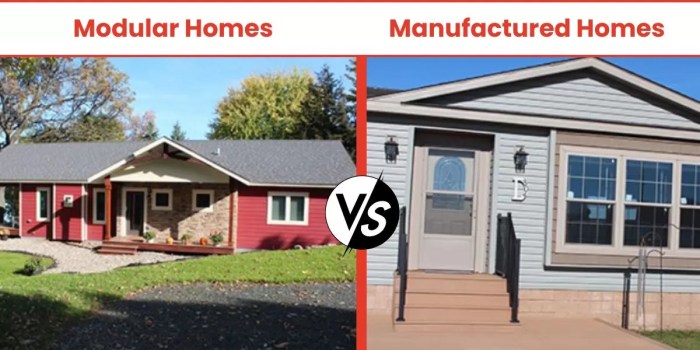
Custom-built homes are known for using high-quality materials that are specifically chosen by the homeowner or designer. These materials are often sourced from reputable suppliers, ensuring that the construction process starts with a solid foundation of durable components.
Quality of Materials
- Custom-built homes often use premium materials such as hardwood floors, granite countertops, and high-end fixtures.
- The materials are selected based on the homeowner's preferences and budget, allowing for a personalized touch and ensuring satisfaction with the final product.
- Builders of custom homes prioritize quality over quantity, focusing on craftsmanship and attention to detail.
Durability Comparison
- Custom-built homes are typically more durable than modular homes due to the use of higher quality materials and the customization of the design to fit the homeowner's needs.
- Modular homes, while durable in their own right, may not always offer the same level of customization and quality in materials as custom-built homes.
- Custom-built homes are often considered a long-term investment due to their durability and ability to withstand the test of time.
Construction Standards and Quality Control
- Both custom-built and modular homes are constructed following specific building codes and regulations to ensure safety and structural integrity.
- Custom-built homes may involve more on-site inspections and oversight to maintain quality control throughout the construction process.
- Modular homes are also subject to rigorous quality control measures in the factory setting before being transported and assembled on-site.
Last Point
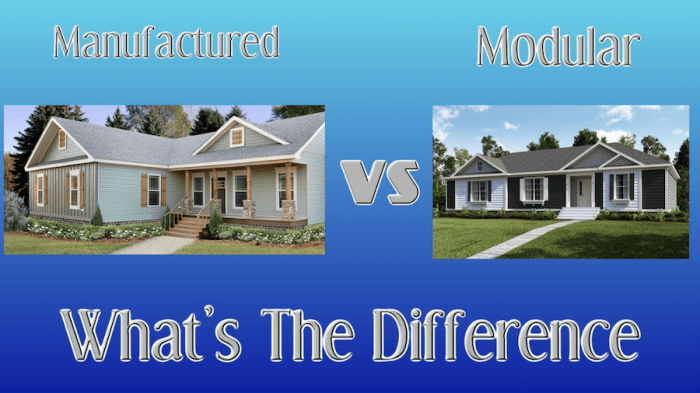
In conclusion, the choice between custom built homes and modular homes ultimately boils down to individual preferences and priorities. Whether you prioritize design customization or faster construction, understanding the distinctions between these housing options is crucial in making an informed decision for your future home.
Top FAQs
Can modular homes be customized like custom built homes?
Modular homes offer some degree of customization, but they may not match the level of design flexibility found in custom built homes.
What are the primary advantages of choosing a custom built home over a modular home?
Custom built homes provide greater control over design, materials, and overall customization, allowing homeowners to create a unique living space tailored to their preferences.
Are modular homes more cost-efficient than custom built homes?
In general, modular homes tend to be more cost-efficient due to factors like standardized construction processes and reduced labor costs.