Exploring the world of eco-friendly roofing and siding materials, this comprehensive guide dives into the different types, benefits, costs, and installation considerations. Get ready to learn all about how these materials can transform your home into a sustainable oasis.
Eco-Friendly Roofing Materials
When it comes to roofing materials, there are several eco-friendly options to consider. These materials offer benefits for the environment and can also provide long-term cost savings for homeowners.
Different Types of Eco-Friendly Roofing Materials
- Solar shingles: These specialized shingles contain photovoltaic cells that generate electricity from the sun's rays.
- Recycled shingles: Made from recycled materials such as rubber, plastic, or wood fibers, these shingles are a sustainable choice.
- Metal roofs: Metal roofing is durable, energy-efficient, and recyclable at the end of its lifespan.
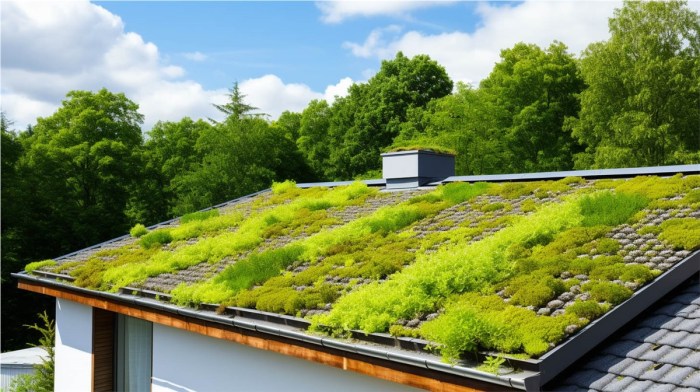
- Green roofs: These roofs are covered with vegetation, providing insulation, reducing energy costs, and promoting biodiversity.
Benefits of Using Eco-Friendly Roofing Materials
- Reduced environmental impact: Eco-friendly materials help conserve natural resources and reduce waste.
- Energy efficiency: Many eco-friendly roofing options can improve a home's energy efficiency, leading to lower utility bills.
- Durability: Some eco-friendly materials, such as metal roofs, are highly durable and can last for several decades.
Cost Comparison of Eco-Friendly Roofing Materials
While eco-friendly roofing materials may have a higher upfront cost compared to traditional materials, they can provide long-term savings through energy efficiency and durability. The initial investment in eco-friendly roofing can pay off over time.
Durability and Lifespan of Eco-Friendly Roofing Materials
Eco-friendly roofing materials like metal roofs and green roofs are known for their durability and long lifespan. They can withstand harsh weather conditions and require minimal maintenance, making them a sustainable choice for homeowners looking for a roofing solution that lasts.
Eco-Friendly Siding Materials
When it comes to eco-friendly siding materials, there are several sustainable options available that not only help the environment but also enhance the visual appeal of a home.
Examples of Sustainable Siding Materials
- Bamboo: A rapidly renewable resource that is durable and aesthetically pleasing.
- Recycled wood: Using reclaimed wood reduces the demand for new timber and gives a unique look to the siding.
- Fiber cement: Made from a mix of cement, sand, and cellulose fibers, this material is durable and low maintenance.
Aesthetic Appeal of Eco-Friendly Siding Materials
Eco-friendly siding materials come in a variety of textures, colors, and styles, allowing homeowners to choose a design that complements their home's architecture. These materials can mimic the look of traditional wood siding or offer a modern, sleek appearance.
Contribution to Energy Efficiency
- Insulation: Many eco-friendly siding materials provide better insulation for homes, reducing the need for heating and cooling, thus lowering energy consumption.
- Reflective properties: Some siding materials have reflective surfaces that can help in maintaining a comfortable indoor temperature, reducing the reliance on heating and cooling systems.
Maintenance Requirements of Eco-Friendly Siding Materials
Eco-friendly siding materials are known for their durability and low maintenance requirements. Regular cleaning with mild soap and water is usually sufficient to keep them looking good. Additionally, these materials are less prone to rot, mold, and insect damage, reducing the need for frequent repairs.
Installation Considerations
When it comes to installing eco-friendly roofing and siding materials, there are several important factors to consider to ensure a successful and sustainable outcome. From the installation process to choosing the right contractor, here are some key considerations to keep in mind.
Installation Process for Eco-Friendly Roofing Materials
- Ensure proper insulation and ventilation to maximize energy efficiency.
- Follow manufacturer's guidelines for installation to maintain warranty coverage.
- Consider using recycled materials or sustainable options for underlayment and flashing.
- Regular maintenance is crucial to prolong the lifespan of eco-friendly roofing materials.
Choosing a Reputable Contractor
- Look for contractors with experience in installing eco-friendly materials and check for certifications.
- Ask for references and check online reviews to gauge their reputation and quality of work.
- Get multiple quotes and compare prices to ensure you are getting a fair deal.
Special Considerations and Challenges
- Eco-friendly materials may require specialized installation techniques, so make sure your contractor is familiar with these.
- Weather conditions and local regulations may impact the installation process, so be prepared for potential delays.
Cost Comparison
- While the initial cost of eco-friendly materials may be higher than traditional options, they can lead to long-term savings on energy bills and maintenance.
- Factor in potential rebates or tax incentives for using eco-friendly materials to offset the upfront costs.
Environmental Impact
Eco-friendly roofing and siding materials play a crucial role in reducing the carbon footprint and promoting sustainable building practices. These materials are designed to minimize environmental impact throughout their lifecycle.
Reduction of Carbon Footprint
- Eco-friendly roofing and siding materials are often made from recycled or sustainable materials, reducing the need for new resources and energy-intensive production processes.
- These materials are designed to be energy-efficient, helping to reduce the overall energy consumption of a building and lowering greenhouse gas emissions.
- By providing better insulation and reflecting sunlight, eco-friendly materials can reduce the need for heating and cooling, further decreasing carbon emissions.
Contribution to Sustainable Building Practices
- Eco-friendly roofing and siding materials contribute to sustainable building practices by promoting long-term durability and reducing maintenance needs.
- These materials are often designed to be recyclable or biodegradable, ensuring that they can be disposed of in an environmentally friendly manner.
- Using eco-friendly materials also helps to create healthier indoor environments by reducing the use of toxic chemicals and improving air quality.
Recyclability and Disposal
- Eco-friendly roofing and siding materials are often recyclable at the end of their lifecycle, reducing waste and the need for landfill disposal.
- Proper disposal methods for these materials typically involve recycling or repurposing them into new products, further reducing environmental impact.
- Some eco-friendly materials are biodegradable, breaking down naturally over time without releasing harmful substances into the environment.
Certifications and Standards
- Various certifications and standards exist to verify the eco-friendliness of construction materials, ensuring that they meet specific criteria for sustainability and environmental impact.
- Examples of certifications include LEED (Leadership in Energy and Environmental Design) certification, which recognizes buildings that meet high standards of sustainability and environmental performance.
- Adhering to these certifications and standards helps to ensure that eco-friendly roofing and siding materials are truly environmentally responsible and contribute to a more sustainable future.
Outcome Summary
In conclusion, eco-friendly roofing and siding materials offer a perfect blend of sustainability, durability, and aesthetic appeal for your home. With a reduced carbon footprint and energy-efficient properties, these materials are a smart choice for the environmentally conscious homeowner. Make the switch today and embrace a greener future for your living space.
Popular Questions
How do eco-friendly roofing materials contribute to energy efficiency?
Eco-friendly roofing materials help regulate indoor temperatures, reducing the need for excessive heating or cooling, thus lowering energy consumption.
What are the maintenance requirements for eco-friendly siding materials?
Eco-friendly siding materials typically require minimal maintenance, such as occasional cleaning and inspections for any damage or wear.
Are eco-friendly roofing and siding materials more expensive than traditional options?
While the initial cost may be slightly higher, the long-term savings on energy bills and durability often make eco-friendly materials a cost-effective choice.