Diving into the realm of eco-friendly siding options, this introduction sets the stage for a fascinating exploration of sustainable materials that enhance both homes and the environment.
Providing insights on various eco-friendly siding materials, their benefits, and cost-effectiveness, this discussion aims to inform and inspire readers seeking greener alternatives for their homes.
Types of eco-friendly siding options
When it comes to eco-friendly siding options, there are several materials available that not only benefit the environment but also offer cost-effective solutions for homeowners.
1. Wood Siding
Wood siding is a popular choice for those looking for an eco-friendly option. It is biodegradable, renewable, and energy-efficient. Wood siding also has a natural insulation property, which can help reduce energy costs in the long run. While the initial cost of wood siding may be higher than other materials, the durability and timeless aesthetic appeal make it a cost-effective choice in the long term.
2. Fiber Cement Siding
Fiber cement siding is another eco-friendly option that is made from a blend of wood pulp, cement, clay, and sand. It is highly durable, fire-resistant, and low-maintenance. This siding material is also resistant to pests and rot, reducing the need for frequent replacements or repairs.
While the initial cost of fiber cement siding may be higher, the longevity and minimal upkeep costs make it a cost-effective choice over time.
3. Recycled Vinyl Siding
Recycled vinyl siding is a sustainable option that is made from recycled PVC material. By using recycled materials, this siding option helps reduce waste and lower environmental impact. Recycled vinyl siding is also durable, low-maintenance, and energy-efficient. The cost-effectiveness of recycled vinyl siding lies in its long lifespan and minimal maintenance requirements, making it a budget-friendly choice for homeowners.
Installation process for eco-friendly siding
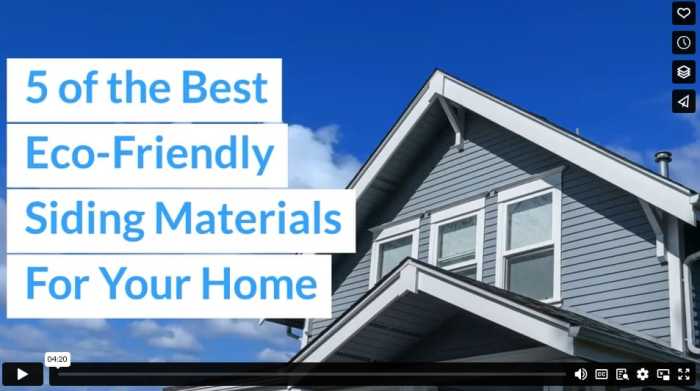
When it comes to installing eco-friendly siding, there are specific steps to follow to ensure a sustainable installation process. It is essential to consider the materials being used, the energy efficiency of the siding, and any special considerations for eco-friendly options.
General Steps for Installing Eco-Friendly Siding
- Prepare the surface: Make sure the surface where the siding will be installed is clean, dry, and free of any debris.
- Measure and cut the siding: Accurately measure the dimensions of the area where the siding will be installed and cut the eco-friendly materials to fit.
- Install the siding: Follow the manufacturer's instructions for the specific eco-friendly siding material being used to ensure proper installation.
- Seal and finish: Seal any gaps or seams in the siding to prevent moisture infiltration and finish the siding according to the manufacturer's recommendations.
- Dispose of waste responsibly: Properly dispose of any waste materials generated during the installation process in an environmentally friendly manner.
Tips for Ensuring a Sustainable Installation Process
- Choose locally sourced materials to reduce the environmental impact of transportation.
- Use low-VOC or VOC-free adhesives and sealants to minimize indoor air pollution.
- Consider installing additional insulation along with the siding to improve energy efficiency.
Special Considerations when Installing Eco-Friendly Siding
- Some eco-friendly siding materials may require specialized installation techniques, so it's essential to follow the manufacturer's guidelines carefully.
- Properly maintaining eco-friendly siding is crucial to ensure its longevity and sustainability benefits.
- Consult with a professional installer experienced in eco-friendly materials for the best results.
Maintenance and durability of eco-friendly siding
When it comes to maintaining eco-friendly siding options, regular cleaning is key to preserving their appearance and longevity. This can typically be done with a mixture of water and mild detergent, or specific cleaning products recommended by the manufacturer.
Eco-friendly siding materials are known for their durability, often outlasting traditional siding options. They are resistant to rot, pests, and mold, making them a reliable choice for long-term use.
Maintenance Tips to Prolong Lifespan
- Inspect the siding regularly for any signs of damage or wear, and address them promptly to prevent further issues.
- Trim any vegetation near the siding to prevent moisture buildup and potential damage.
- Avoid using harsh chemicals or abrasive tools when cleaning the siding to prevent any damage to the material.
- Consider applying a protective sealant every few years to enhance the durability of the siding.
Energy Efficiency and Insulation Properties
Eco-friendly siding materials are known for their energy-efficient properties, which can help homeowners reduce their energy consumption and lower their carbon footprint. These materials are designed to provide better insulation for homes, keeping them cooler in the summer and warmer in the winter.
Improved Insulation
Eco-friendly siding options such as insulated vinyl, fiber cement, and engineered wood can significantly improve the insulation of a home. These materials help regulate indoor temperatures by reducing heat transfer through walls, ultimately decreasing the need for constant heating or cooling.
Reduced Energy Costs
By investing in eco-friendly siding, homeowners can experience a reduction in their energy costs. The improved insulation properties of these materials allow for better temperature control within the home, resulting in lower energy bills throughout the year. For example, insulated vinyl siding can help reduce heating and cooling costs by up to 20% compared to traditional siding materials.
Closing Summary
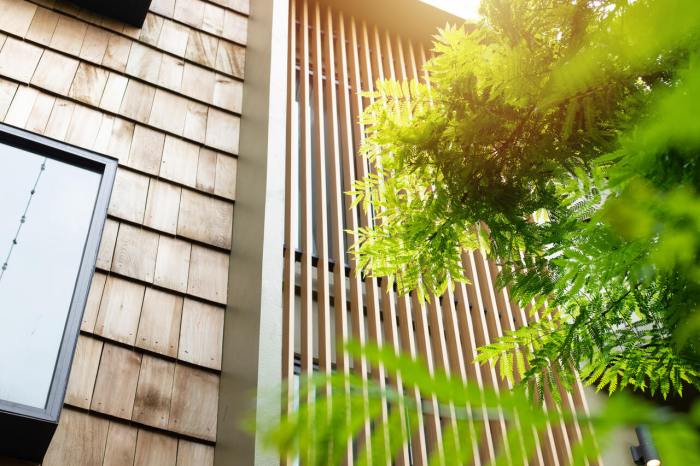
In conclusion, eco-friendly siding options offer a harmonious blend of sustainability, durability, and energy efficiency, making them a wise choice for environmentally conscious homeowners looking to enhance their living spaces.
Questions and Answers
What are the benefits of eco-friendly siding materials?
Eco-friendly siding materials offer benefits such as improved indoor air quality, reduced environmental impact, and energy savings.
How do eco-friendly siding options compare in terms of cost-effectiveness?
While initial costs may vary, eco-friendly siding options often lead to long-term savings through reduced energy bills and lower maintenance requirements.
What maintenance is required for eco-friendly siding?
Regular cleaning and inspections are key to maintaining eco-friendly siding, along with occasional repairs or resealing depending on the material used.
How can eco-friendly siding contribute to better insulation?
Eco-friendly siding materials with high insulation properties help regulate indoor temperatures, reducing the need for excessive heating or cooling, thus lowering energy consumption.
Can eco-friendly siding help reduce energy costs?
Yes, eco-friendly siding can contribute to lower energy costs by providing better insulation, reducing heat loss in winter and heat gain in summer, leading to more efficient energy usage.