Embark on a journey into the realm of architectural interior design, where creativity meets functionality to transform spaces into stunning works of art. From iconic projects to innovative trends, this topic offers a fascinating glimpse into the world of interior design.
Architectural interior design encompasses a blend of aesthetics and practicality, shaping environments that inspire and delight.
What is Architectural Interior Design?
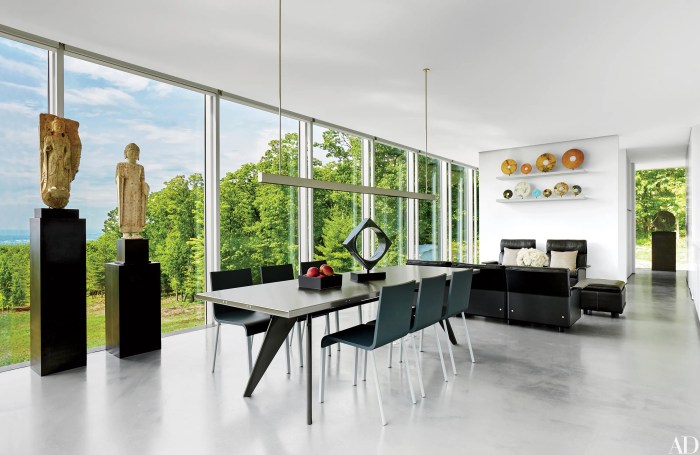
Architectural interior design involves the planning, designing, and coordination of interior spaces within buildings. It focuses on creating functional and aesthetically pleasing environments that enhance the overall experience of the occupants. This specialized field combines elements of architecture, interior design, and decoration to create harmonious and cohesive spaces.
Significance of Architectural Interior Design
Architectural interior design plays a crucial role in shaping the functionality and aesthetic appeal of interior spaces. By considering factors such as spatial layout, lighting, materials, colors, and furniture, designers can optimize the use of space while creating a visually appealing environment.
This attention to detail and thoughtful design choices contribute to the overall comfort, efficiency, and ambiance of a space.
Examples of Famous Architectural Interior Design Projects
The Guggenheim Museum in Bilbao, Spain
Designed by Frank Gehry, this iconic museum features a unique architectural interior design that showcases fluid forms and innovative use of materials.
The Burj Al Arab in Dubai, UAE
Known for its luxurious interior spaces, this iconic hotel designed by Tom Wright features opulent design elements and breathtaking views of the city.
The Sydney Opera House in Australia
Designed by Jørn Utzon, this architectural marvel features a stunning interior design that complements the iconic exterior structure, creating a harmonious and visually striking space.
Key Principles and Elements of Architectural Interior Design
- Space Planning: Efficient use of space to optimize functionality and flow within a room or building.
- Lighting Design: Strategic placement of lighting fixtures to enhance the ambiance and functionality of a space.
- Material Selection: Choosing appropriate materials that are durable, sustainable, and aesthetically pleasing.
- Color Theory: Utilizing color to evoke emotions, create visual interest, and tie together design elements.
- Furniture Layout: Arranging furniture in a way that promotes comfort, functionality, and visual balance.
Key Elements of Architectural Interior Design
Architectural interior design involves the strategic combination of various elements to create visually pleasing and functional spaces. These elements work together to enhance the overall aesthetic and practicality of interior spaces.
Space Planning
- Space planning involves analyzing the layout of a space to optimize functionality and flow.
- It considers factors such as traffic patterns, furniture placement, and the use of space for different activities.
- Effective space planning ensures that every area is utilized efficiently and contributes to the overall design concept.
Lighting
- Lighting plays a crucial role in setting the mood and ambiance of a space.
- It can highlight architectural features, create focal points, and enhance the overall atmosphere.
- Proper lighting design integrates natural and artificial light sources to illuminate different areas effectively.
Materials
- The selection of materials such as wood, metal, glass, and textiles significantly impacts the look and feel of a space.
- Materials contribute to the texture, color, and overall aesthetic of the interior design.
- Choosing high-quality and durable materials is essential for creating long-lasting and visually appealing interiors.
Color Schemes
- Color schemes influence the mood, perception, and visual impact of a space.
- They can evoke emotions, create harmony, and define the style of the interior design.
- By carefully selecting colors and creating cohesive palettes, designers can achieve a desired look and feel for the space.
Furniture Selection
- Furniture selection involves choosing pieces that complement the design concept and meet the functional needs of the space.
- It includes selecting appropriate sizes, styles, and materials for each furniture piece.
- Well-chosen furniture enhances the overall design aesthetic and ensures comfort and usability in the space.
Sustainable and Eco-Friendly Design
- Incorporating sustainable design practices involves using environmentally friendly materials and reducing waste in interior design projects.
- Designers can integrate energy-efficient systems, recycled materials, and sustainable practices to minimize the environmental impact of their designs.
- Creating eco-friendly interiors not only benefits the environment but also promotes healthier living spaces for occupants.
Innovative Techniques and Trends
- Current trends in architectural interior design include the use of biophilic design principles to connect interiors with nature.
- Smart home technology integration, modular furniture solutions, and sustainable design innovations are shaping the industry.
- Designers are exploring innovative materials, textures, and finishes to create unique and personalized spaces for clients.
Design Process in Architectural Interior Design
Interior design in architecture involves a systematic process that transforms empty spaces into functional and aesthetically pleasing environments. This process requires collaboration between architects and interior designers to ensure a cohesive and harmonious design that aligns with the overall architectural vision.
Typical Steps in the Design Process
The design process in architectural interior design typically involves the following steps:
- Initial concept development: This stage includes brainstorming ideas, creating mood boards, and establishing a design direction based on client requirements.
- Space planning: Determining the layout, flow, and functionality of the space to optimize its use and ensure it meets the needs of the occupants.
- Selection of materials and finishes: Choosing materials, colors, textures, and finishes that enhance the design concept and create a cohesive look.
- Furniture and fixture selection: Curating furniture, fixtures, and accessories that complement the design style and meet the functional requirements of the space.
- Lighting design: Planning the lighting scheme to enhance the mood, functionality, and visual appeal of the interior space.
- Visualization and presentation: Using technology and software tools to create 3D models, renderings, and presentations that help clients visualize the final design concept.
- Final implementation: Overseeing the construction, installation, and styling of the interior space to bring the design concept to life.
Role of Architects and Interior Designers Collaboration
Architects and interior designers collaborate closely throughout the design process to ensure that the interior spaces seamlessly integrate with the architectural elements. Architects focus on the structural and external aspects of the building, while interior designers concentrate on the interior finishes, furnishings, and details.
Together, they work to create a cohesive design that enhances the overall aesthetic and functionality of the space.
Technology and Software Tools in Design Process
Technology plays a vital role in streamlining the design process in architectural interior design. Software tools like CAD (Computer-Aided Design), BIM (Building Information Modeling), and rendering programs help designers visualize concepts, communicate ideas effectively, and make informed design decisions. These tools allow for greater precision, efficiency, and collaboration throughout the design process.
Client Requirements Influence in Design Process
Client requirements and preferences play a significant role in shaping the design process in architectural interior design projects. Designers must carefully listen to and understand the client's needs, preferences, and budget constraints to deliver a design that meets their expectations.
Client input guides decision-making on layout, materials, colors, and furnishings, ensuring that the final design reflects the client's vision and lifestyle.
Influential Architects in Interior Design
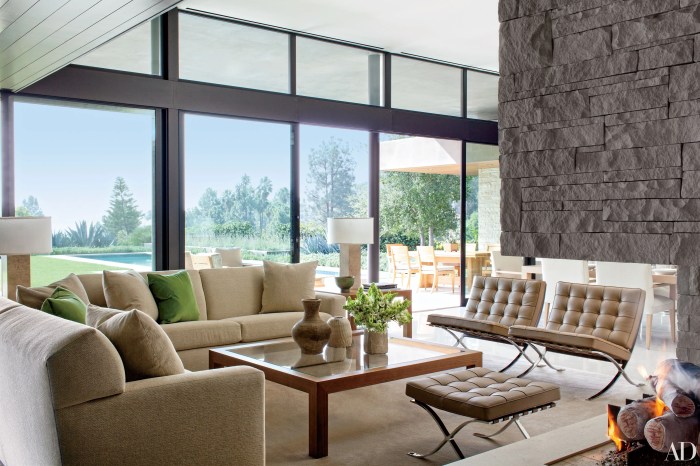
Architectural interior design has been greatly influenced by visionary architects who have left a lasting impact on the field. These architects have revolutionized design concepts, introduced new styles, and set trends that continue to inspire designers today.
Frank Lloyd Wright
Frank Lloyd Wright, known for his organic architecture principles, believed in creating harmony between the built environment and nature. His open floor plans, use of natural materials, and integration of the surrounding landscape into his designs have shaped modern interior design aesthetics.
Ludwig Mies van der Rohe
Ludwig Mies van der Rohe, a pioneer of modern architecture, popularized the phrase "less is more." His minimalist approach to design, characterized by clean lines, open spaces, and the use of industrial materials, has had a profound influence on contemporary interior design.
Zaha Hadid
Zaha Hadid was known for her innovative and futuristic designs that pushed the boundaries of architecture. Her fluid forms, dynamic structures, and avant-garde approach to space have redefined the possibilities of architectural interior design, inspiring a new generation of creatives.
Le Corbusier
Le Corbusier, a key figure in the Modernist movement, focused on functionality, geometric shapes, and the use of raw materials in his designs. His emphasis on efficiency and the relationship between form and function continues to influence interior designers seeking a balance between aesthetics and practicality.
Eileen Gray
Eileen Gray, a pioneer of the Modern Movement, was known for her innovative furniture designs and architectural projects. Her use of luxurious materials, attention to detail, and focus on user comfort have had a lasting impact on interior design, particularly in the realm of furniture and spatial planning.
Ending Remarks
In conclusion, architectural interior design stands as a testament to the power of creativity and vision in crafting living spaces that captivate the senses and elevate the human experience. Dive into this dynamic field and discover the endless possibilities it holds for design enthusiasts and professionals alike.
Commonly Asked Questions
What is Architectural Interior Design?
Architectural interior design involves the planning and design of interior spaces within architectural structures to enhance functionality and aesthetics.
How do architects and interior designers collaborate in this field?
Architects and interior designers work together to create cohesive interior spaces that align with the overall architectural vision, ensuring harmony and balance in design.
Why is sustainable design important in architectural interior design?
Sustainable design practices help minimize environmental impact and promote a healthier living environment in architectural interior design projects.
Who are some influential architects in interior design?
Renowned architects like Frank Lloyd Wright and Zaha Hadid have left lasting legacies in the field of architectural interior design with their innovative approaches and iconic projects.
What are the key elements that characterize architectural interior design?
Essential elements include space planning, lighting, materials, color schemes, and furniture selection, all of which come together to create visually appealing and functional spaces.