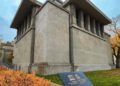
Delving into Unity Temple by Frank Lloyd Wright: Architectural Highlights, this introduction immerses readers in a unique and compelling narrative, with a casual formal language style that is both engaging and thought-provoking from the very first sentence.
Unity Temple, designed by Frank Lloyd Wright, stands as a masterpiece of architectural innovation and timeless beauty. This iconic structure showcases Wright's visionary design principles and revolutionizes the way we perceive architectural spaces.
Architectural Style of Unity Temple
Unity Temple, designed by Frank Lloyd Wright, showcases the Prairie School architectural style that Wright himself helped pioneer. This style emphasizes horizontal lines, flat or hipped roofs with broad overhanging eaves, and integration with the surrounding landscape.
Key Elements of Unity Temple’s Architectural Style
- Use of geometric shapes and clean, simple lines
- Horizontal emphasis in design, reflecting the expansive prairie landscape
- Integration of natural materials like brick and concrete
- Unity of form and function, with every element serving a purpose
Unique Design Features
Unity Temple, designed by Frank Lloyd Wright, boasts several unique design features that set it apart from traditional buildings. One of the most distinctive aspects of the temple is its innovative use of concrete as both a structural and decorative element.
The building's exposed concrete walls and columns create a sense of unity and coherence throughout the space.
Open Plan Layout
The open plan layout of Unity Temple is a departure from the traditional compartmentalized design of many religious buildings. Wright's design eliminates the need for interior walls, allowing for a seamless flow of space and light. This open concept enhances the sense of community and connection among worshippers.
Skylights and Stained Glass Windows
Another standout feature of Unity Temple is the abundant use of skylights and stained glass windows. These elements flood the interior with natural light, creating a serene and contemplative atmosphere. The intricate patterns and colors of the stained glass add a touch of beauty and spirituality to the space.
Cantilevered Balcony
The cantilevered balcony in Unity Temple is a testament to Wright's mastery of architectural innovation. The balcony appears to float effortlessly above the main worship area, providing additional seating without obstructing views or interfering with the open layout. This design element showcases Wright's ability to push the boundaries of traditional architecture.
Integration of Nature
Wright's design for Unity Temple seamlessly integrates nature into the built environment. From the use of natural materials like concrete and wood to the incorporation of greenery in the interior courtyard, the temple blurs the line between indoors and outdoors.
This connection to nature enhances the overall sense of tranquility and harmony within the space.
Interior Layout and Spatial Design
Unity Temple's interior layout and spatial design set it apart from conventional spaces, offering a unique experience for visitors. The design elements within the temple play a crucial role in creating a harmonious environment that enhances the overall architectural significance.
Interior Layout
The interior layout of Unity Temple is characterized by its open plan design, devoid of traditional walls that separate different areas. Instead, the space is defined by the arrangement of structural columns and beams, creating distinct zones within the temple.
This layout promotes a sense of unity and interconnectedness among the worshipers, fostering a communal experience unlike that of typical religious spaces.
Spatial Design
The spatial design of Unity Temple focuses on the flow of movement, natural light, and acoustics to create a serene and contemplative atmosphere. The strategic placement of windows and skylights allows natural light to filter into the space, creating a play of light and shadow that enhances the spiritual experience.
Additionally, the acoustics within the temple are carefully crafted to amplify sound and create a sense of intimacy, especially during religious ceremonies or musical performances.
Significance of Interior Design
The interior design of Unity Temple is of paramount importance in creating a harmonious environment that complements the overall architectural vision of Frank Lloyd Wright. By seamlessly integrating spatial elements, light, and acoustics, the design fosters a sense of tranquility and reverence that enhances the spiritual experience of worshipers.
The careful attention to detail in the interior layout and spatial design reflects Wright's belief in the power of architecture to uplift the human spirit and create meaningful connections within a space.
Materials and Construction Techniques
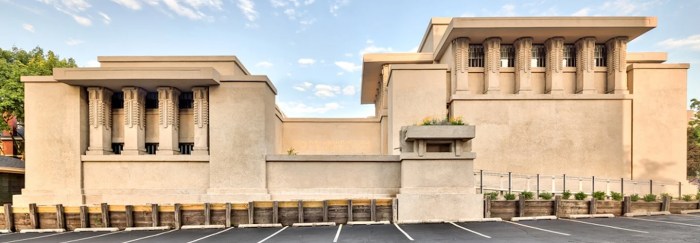
Unity Temple, designed by Frank Lloyd Wright, is known for its innovative use of materials and construction techniques that set it apart from traditional architectural norms of the time.
Materials Used in Construction
The main materials used in the construction of Unity Temple include reinforced concrete, brick, and art glass. Wright's decision to use reinforced concrete was groundbreaking for the time, as it allowed for the creation of bold, cantilevered forms that were both structurally sound and visually striking.
The use of brick in the exterior walls added a warm, earthy texture to the building, while the art glass windows brought in natural light and created a sense of ethereal beauty.
Construction Techniques
- Reinforced Concrete: Wright employed a technique called "cast-in-place" concrete construction, where concrete is poured directly into formwork on-site. This method allowed for the creation of intricate geometric shapes and precise detailing.
- Brickwork: The brickwork in Unity Temple was carefully laid out in a horizontal pattern, emphasizing the horizontal lines that are a hallmark of Wright's Prairie style architecture.
- Art Glass: The art glass windows were crafted using a technique known as "caming," where pieces of colored glass are held together with lead strips. This technique allowed for the creation of intricate patterns and vibrant colors that play with light in unique ways.
Influence on Overall Look and Feel
The choice of materials and construction techniques in Unity Temple greatly influenced its overall look and feel. The use of reinforced concrete allowed for the creation of open, column-free spaces that were revolutionary for the time. The combination of brick and art glass added warmth, texture, and light to the interior, creating a harmonious and serene atmosphere that is characteristic of Wright's organic architectural style.
Final Wrap-Up
In conclusion, Unity Temple by Frank Lloyd Wright encapsulates the epitome of architectural brilliance, blending form and function seamlessly to create a space that transcends mere buildings and becomes a work of art. The interplay of light, space, and materials within this architectural gem continues to inspire awe and admiration, solidifying its place in history as a true architectural marvel.
FAQ Corner
What architectural style did Frank Lloyd Wright use for Unity Temple?
Frank Lloyd Wright used the Prairie School architectural style for Unity Temple, characterized by horizontal lines, flat roofs, and integration with the surrounding landscape.
What are the unique design features of Unity Temple?
Some unique design features of Unity Temple include its geometric forms, use of natural light, and innovative spatial layout that deviates from traditional architectural norms.
What materials were used in the construction of Unity Temple?
Unity Temple was constructed using concrete, steel, and art glass, with an emphasis on modern materials that reflected Wright's forward-thinking approach to architecture.